What you call luck is actually alignment, a state where your energy resonates with the flow of the universe.
Ancient cultures believed that symbols can help create this alignment as they speak directly to the subconscious mind.
This article is a collection of 54 powerful ancient symbols of good luck and the meanings behind them. Find one that resonates with you, keep it close, meditate on it, or use it in your daily spiritual practice as a reminder of the blessings you wish to attract.
Let’s begin.
55 Ancient Symbols of Good Luck from Around the World
1. Lo Shu Magic square
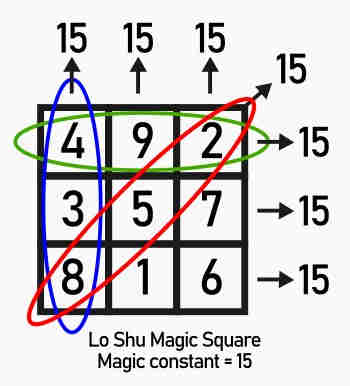
Magic squares are numerical grids in which every row, column, and diagonal adds up to the same number. For centuries, they have been used in various traditions as symbols of good luck and fortune.
A popular magic square is the Lo Shu Square (as shown in the image above) from ancient China. It is a 3×3 square containing the numbers 1 to 9, where every row, column, and diagonal adds up to 15.
In Feng Shui, this square is associated with good luck and divine balance and is used to align a space with positive energy. In Hinduism, this square is linked to the Sun God.
Other well-known magic squares include the Chautisa (34) Yantra, associated with Jupiter and believed to attract wisdom and prosperity, and the Kuber-Lakshmi Yantra, which is linked to wealth, abundance, and financial success.
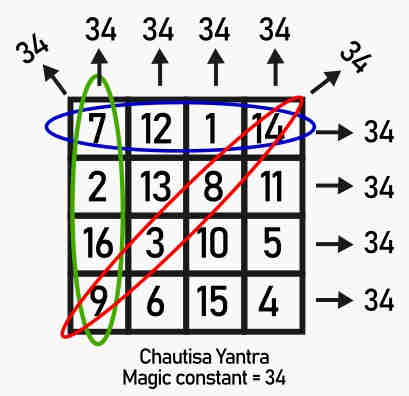
Historically, people carried magic squares as amulets for protection and good luck or placed them in their homes to harmonize energies, and attract good fortune.
2. Fish
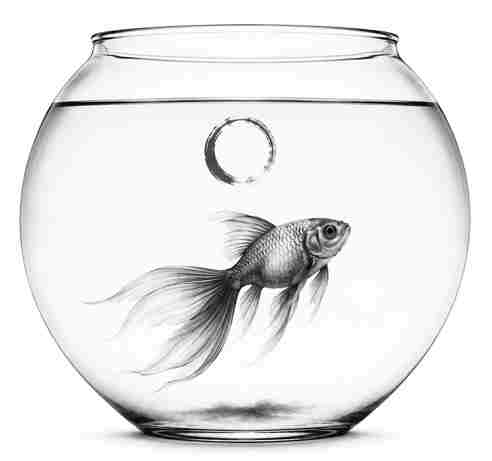
Fish have long been considered symbols of good luck and prosperity in many cultures. In Chinese tradition, koi, goldfish, and arowana are especially associated with wealth, success, and abundance.
In Feng Shui, fish are believed to activate yang energy and attract prosperity. In Vastu Shastra, keeping fish is thought to help neutralize negative energies and promote harmony and positive vibrations within the home.
3. Double fish
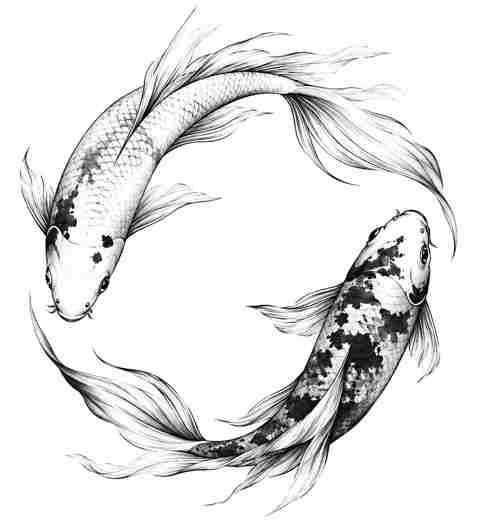
The double fish is one of the eight auspicious symbols (Astamangala) in Buddhism and Hinduism. It represents happiness, fertility, good luck, and freedom.
The pair is typically depicted swimming in a circular pattern, with one fish following the other. This represents the eternal cycles of life, creation, and the universe.
In some traditions, the two fish also symbolize the Divine Masculine and Divine Feminine, whose union forms the foundation of all creation.
4. Endless knot
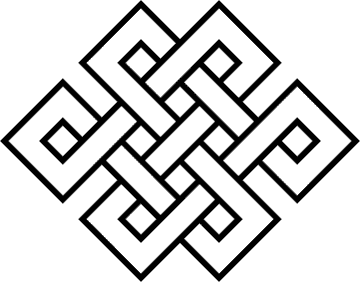
Like the Double Fish, the Endless Knot (also known as the Eternal Knot or Lucky Knot) is one of Buddhism’s eight auspicious symbols. Its interwoven lines have no beginning or end, symbolizing the interconnectedness of all things and the eternal cycle of existence.
In Hinduism, a similar symbol is known as the Shree-vatsa, meaning “connected to Shree.” Shree is another name for Goddess Lakshmi, the deity of wealth, prosperity, and abundance.
As a symbol of good fortune, the Endless Knot is believed to attract prosperity, longevity, harmony, and lasting success.
5. Fu Lu Shou
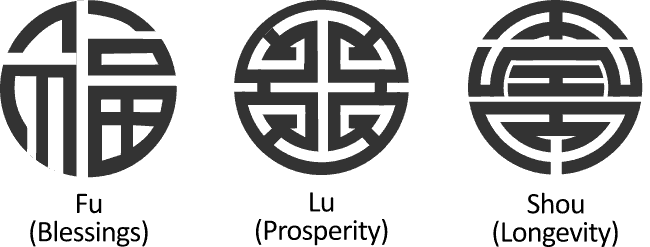
In Chinese culture, Fu Lu Shou represents the three blessings of happiness, prosperity, and long life. Depicted as three wise men, these figures symbolize good fortune in different areas of life.
- Fu brings happiness and blessings.
- Lu brings success, wealth, and prosperity.
- Shou brings health, longevity, and a long life.
Displaying images of the symbol or figurines of the three Fu Lu Shou wise men in a home or business is believed to attract good fortune, success, and lasting well-being.
6. Lotus (Padma)
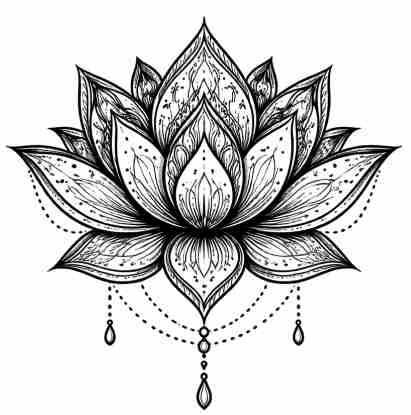
The lotus is one of the most widely recognized symbols of good fortune in Eastern traditions. Growing from muddy waters yet emerging clean and beautiful, it represents the ability to rise above challenges and flourish despite difficult circumstances.
In Hinduism, many deities, including Goddess Lakshmi, the goddess of wealth and prosperity, are depicted seated on a lotus. Likewise, Kisshoten, the Japanese goddess of fortune and happiness, is shown standing on a lotus.
In Buddhism, Green Tara and White Tara, who are associated with protection, healing, longevity, and the removal of obstacles, are frequently depicted holding lotus flowers.
Its journey from mud to bloom has made the lotus a timeless symbol of luck, prosperity, and the unfolding of one’s highest potential.
7. Conch Shell
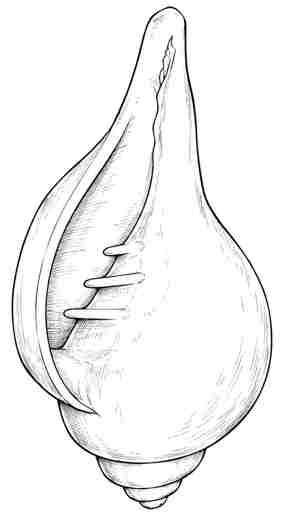
The conch shell is considered an auspicious symbol in both Hinduism and Buddhism. Its spiral shape is associated with expansion, growth, and the unfolding of the universe.
In Hindu tradition, blowing a conch shell is thought to attract good fortune, purify the surroundings, and ward off negative influences. Because it is associated with the divine sound of creation, the conch shell has long been regarded as a symbol of protection, prosperity, and blessings.
8. Celtic Shield Knot
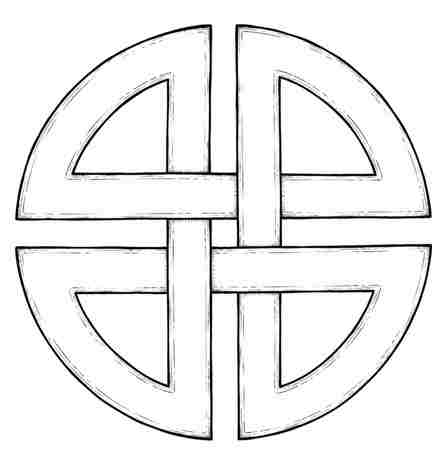
This ancient Celtic symbol consists of interwoven knots that form a shield-like pattern.
In Celtic tradition, the symbol was carved into stone, worn as an amulet, and displayed on homes for protection. It was believed to ward off negative influences, safeguard against harm, and attract strength, security, and good fortune.
9. Shree Yantra

Yantras are sacred geometric diagrams used in Hindu and Tantric traditions as tools for meditation, spiritual focus, and the channeling of positive energies.
Of all the yantras, the Shree Yantra is considered one of the most powerful and auspicious. It consists of nine interlocking triangles radiating from a central point known as the bindu, which symbolizes the source of creation.
The Shree Yantra is believed to attract good fortune, prosperity, abundance, healing, and positive energy. Meditating on the bindu point is said to promote balance, harmony, and spiritual growth. Many people keep a Shree Yantra in their homes or workplaces to invite success and favorable opportunities.
10. Star of Lakshmi
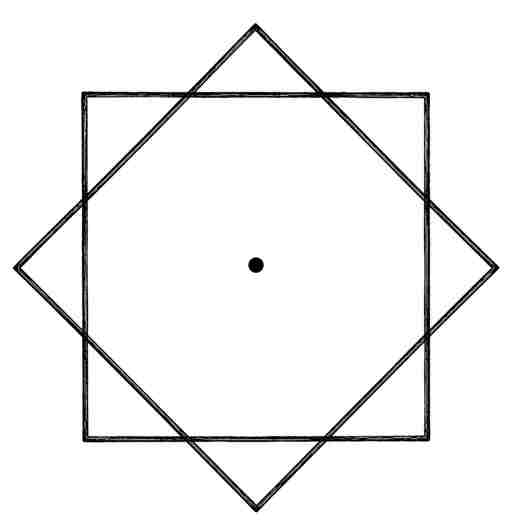
The Star of Lakshmi is an ancient Hindu symbol formed by two overlapping squares that create an eight-pointed star. It is associated with Goddess Lakshmi, the deity of wealth, prosperity, and abundance.
The star is said to represent the eight forms of wealth, that Lakshmi bestows upon her devotees:
- Adi Lakshmi – New beginnings and spiritual wealth
- Dhairya Lakshmi – Courage, strength, and perseverance
- Dhanya Lakshmi – Food, nourishment, and agricultural abundance
- Gaja Lakshmi – Power, influence, and royal authority
- Santana Lakshmi – Fertility, family, and well-being
- Vijaya Lakshmi – Victory, success, and achievement
- Vidya Lakshmi – Knowledge, learning, and wisdom
- Dhana Lakshmi – Material wealth and financial prosperity
Because it symbolizes abundance in all its forms, the Star of Lakshmi is regarded as a powerful symbol of prosperity, good fortune, and success.
11. Solar Cross

The Solar Cross, a circle divided into four equal sections by a cross, is an ancient symbol representing the sun, the four seasons, and the four cardinal directions.
Across various cultures, the Solar Cross has been linked to solar and sky deities, including Sunna in Norse tradition, Sol in Roman belief, and Taranis in Celtic mythology.
As a solar symbol, it is associated with light, life, growth, abundance, positive energy, good luck, and vitality. The circle surrounding the cross symbolizes unity, wholeness, and protection.
12. Rudraksha beads
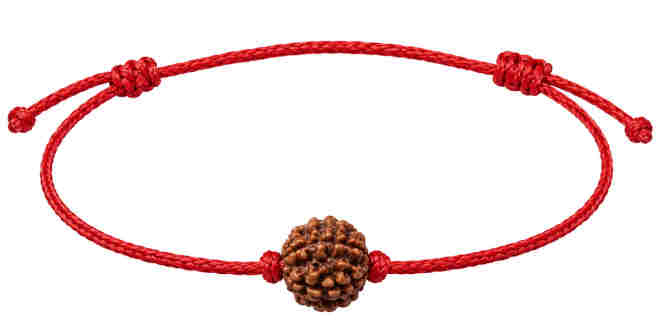
Rudraksha beads are the seeds of the Rudraksha tree and are considered sacred in Hinduism.
According to tradition, they originated from the tears of Lord Shiva, one of the three principal deities in Hinduism. Wearing a Rudraksha mala as a necklace or bracelet, or even carrying a single bead, is believed to reduce stress, protect against negative influences, and attract good luck and positive energy.
Rudraksha beads are classified by the number of natural grooves on their surface, known as mukhis. Each type is associated with specific qualities, benefits, and planetary energies.
The most prized and sought-after Rudraksha is the 1 Mukhi Rudraksha. It symbolizes spiritual awakening, higher consciousness, and liberation.
13. Witch’s Knot
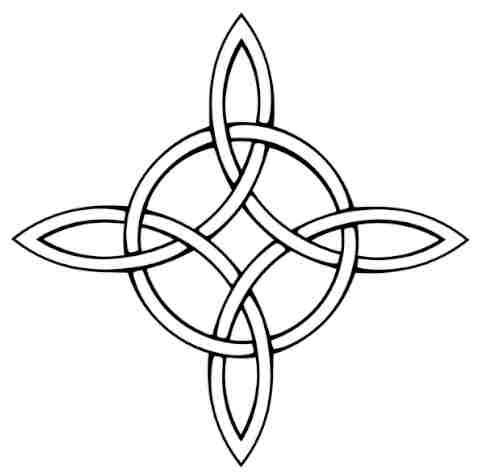
The Witch’s Knot, also known as the Celtic Goddess Knot, is a protective symbol found in various magical traditions. Its interwoven design, made up of four interconnected arcs surrounding a central circle, was believed to trap negative energies and ward off harmful influences.
Because it was thought to guard against misfortune and bad luck, the Witch’s Knot was commonly used as a good luck charm.
The symbol was drawn on doorways, carved into objects, and used in protective charms and talismans. It was believed to create a protective barrier around people, homes, and possessions.
14. Galloping horses
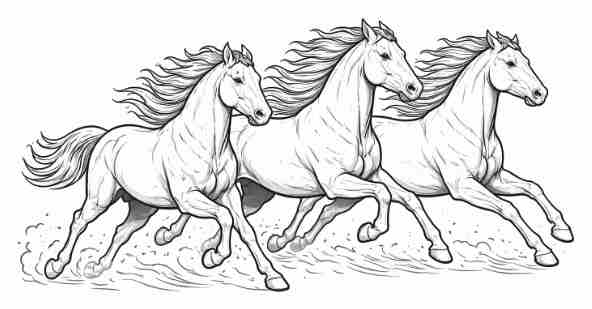
In Feng Shui, images of galloping horses, especially when shown in a group, are considered powerful symbols of strength, success, freedom, and good fortune.
For this reason, horse paintings and sculptures are commonly displayed in living rooms, offices, and business spaces.
However, they are generally not recommended for bedrooms, as the active and energetic nature of running horses is thought to disrupt the calm, peaceful atmosphere needed for rest and relaxation.
15. Sun god with horses
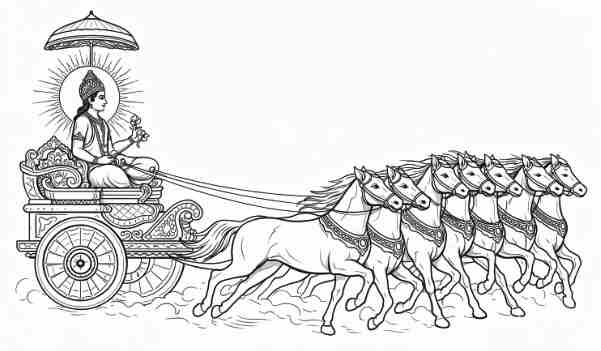
In Hinduism, the Sun god Surya, also known as Ravi, is depicted riding a chariot pulled by seven horses. These seven horses are said to symbolize the seven colors contained within white light, as well as energy, movement, and the life-giving power of the sun.
Because Surya represents vitality, strength, and success, images of his seven horses are considered auspicious. They are often displayed in homes, offices, and workspaces to attract good luck, positive energy, prosperity, and achievement.
16. Brigid’s Cross
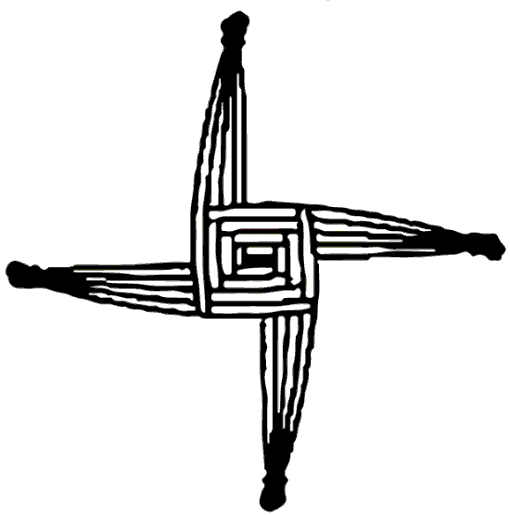
The Brigid’s Cross is an Irish symbol associated with Brigid, the Celtic goddess of healing, fertility, and protection. It has long been used as a good luck charm to invite Brigid’s blessings of health, love, prosperity, and good fortune.
Traditionally, people weave the cross from rushes or straw and hang it in their homes, above doorways, or in the rafters. It is believed to protect the household from harm while attracting positive energy and blessings.
Today, many Irish families continue the tradition of making a new Brigid’s Cross each year on February 1st, St. Brigid’s Day, and displaying it in their homes for year-round protection and good fortune.
17. Acorn
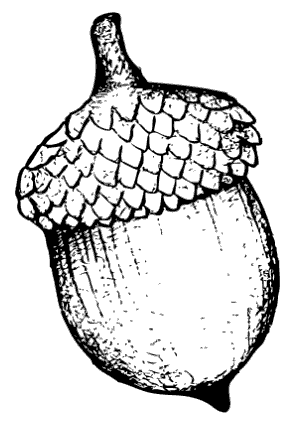
Considering that the acorn starts as a tiny seed yet grows into the mighty oak tree, it has long been regarded as a symbol of strength, perseverance, good luck, abundance, and future success.
In Norse tradition, acorns were associated with Thor, the god of thunder, and were believed to protect homes from lightning and misfortune.
Acorns were often kept in homes or carried as charms for protection, prosperity, and good luck.
18. Ganesha
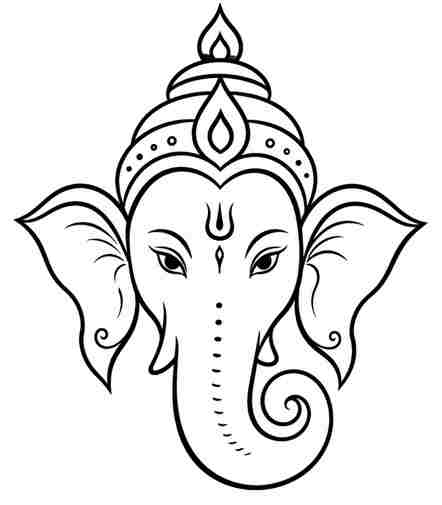
Ganesha is the elephant-headed Hindu deity of wisdom, knowledge, good luck, abundance, and new beginnings.
Because of his association with success, and prosperity, images and statues of Ganesha are commonly placed near the entrances of homes and businesses. It is believed that his presence helps remove challenges, attract blessings, and create a favorable path toward success and achievement.
19. Ladybug
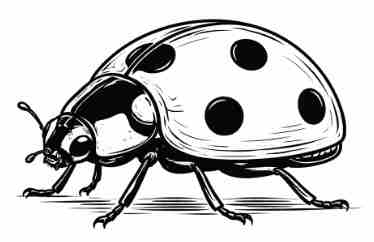
Ladybugs have long been regarded as symbols of good luck in many cultures around the world. Finding a ladybug or having one land on you is considered a sign of good news, positive change, or wishes soon coming true.
In some traditions, the number of spots on a ladybug is believed to indicate how many months of luck or blessings a person will receive.
20. Elephant with raised trunk
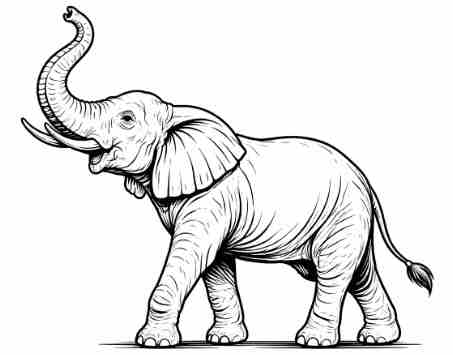
An elephant with its trunk raised is widely regarded as a symbol of good luck, strength, and protection. In Feng Shui, it is believed to attract positive energy, prosperity, and success while helping to ward off negative influences.
Elephant figurines with their trunks raised are often placed near the entrance of a home or office to invite good fortune and safeguard the space.
The elephant is also admired for its intelligence, wisdom, loyalty, and excellent memory, making it a symbol of stability and sound judgment.
21. Four-leaf clover
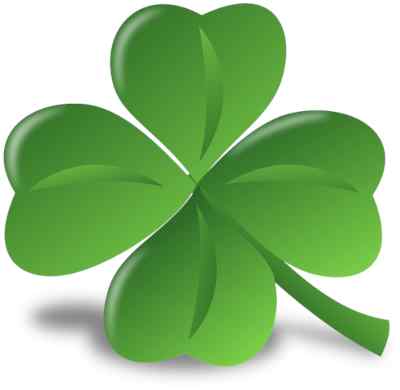
Perhaps the most famous symbol of good luck, the four-leaf clover is a rare variation of the common three-leaf clover. Each of its four leaves is traditionally said to represent faith, hope, love, and luck.
Because of its rarity, finding a four-leaf clover has long been considered a sign of incoming good fortune and unexpected blessings.
In Celtic folklore, four-leaf clovers were believed to offer protection and even grant the ability to see fairies and other hidden beings.
22. Solomon’s Knot
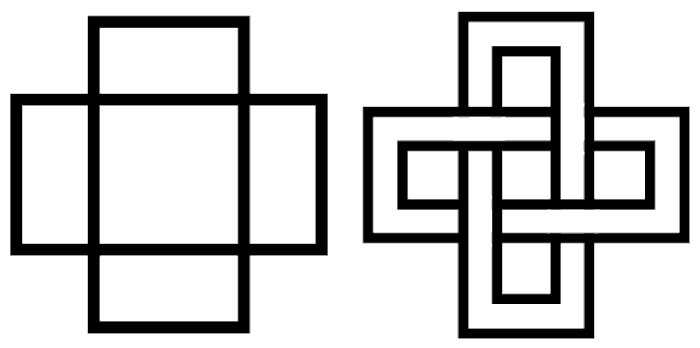
Solomon’s Knot (also known as the infinity knot) is an ancient symbol found across many cultures. Its continuous design, with no beginning or end, represents eternity, connection, good fortune, and wholeness.
It is also a symbol of the union between the human and the divine. The name “Solomon” is linked to Sol (Sun) and Mon (Moon), representing the balance of masculine and feminine energies. This harmony symbolizes alignment, positive energy, and good fortune.
23. Kaheksakand – Estonian 8-Pointed Star
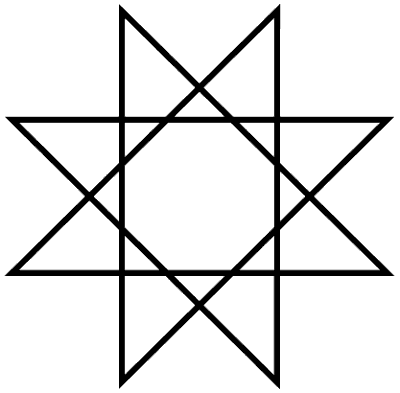
The Kaheksakand, known as Auseklis in Latvia, is an ancient Baltic symbol of good fortune, protection, and light.
This eight-pointed star has deep roots in Estonian and Latvian folklore, where it is associated with the morning star, Venus. As a symbol of dawn, it represents renewal, hope, and the triumph of light over darkness.
In Baltic traditions, the Kaheksakand was connected to Austras Koks, the World Tree that linked the earthly and celestial realms. Because of this connection, the symbol came to represent harmony, balance, and divine protection.
24. Mandala
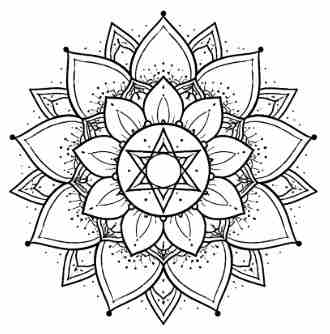
A mandala is a circular geometric design rooted in Hindu and Buddhist traditions. Used in both art and spiritual practice, mandalas are drawn outside homes and temples, and displayed on walls and sacred spaces to attract positive energy, good fortune, and personal growth.
Simply gazing at a mandala is believed to calm the mind, encourage inner balance, and help align one’s energy. Its symmetrical patterns symbolize harmony, wholeness, and the interconnected nature of life.
25. Diya
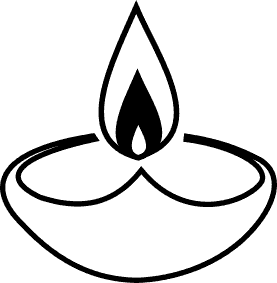
A Diya is a small earthen oil lamp used in Hindu rituals, prayers, and festivals. Lighting a diya is believed to dispel negative energies and attract good luck, positivity, and divine blessings.
The diya also symbolizes the five elements of nature. The earthen lamp represents earth, the oil represents water, the flame represents fire, the cotton wick represents spirit, and the surrounding air represents the air element.
Most famously associated with the festival of Diwali, the diya symbolizes the triumph of light over darkness, knowledge over ignorance, and good over evil.
26. Hexagram

The Hexagram, or six-pointed star, is an ancient symbol of harmony, creation, and good fortune. It consists of two interlocking triangles, one pointing upward and the other downward.
In Hindu symbolism, the upward triangle represents the Divine Masculine, while the downward triangle represents the Divine Feminine. Their union symbolizes the source of creation and the balance of opposing forces.
In many parts of India, the hexagram is traditionally drawn at the entrance of homes as an auspicious symbol to invite wealth, prosperity, and blessings.
Meditating on the symbol is said to promote inner balance, which in turn helps create favorable conditions for success and abundance.
27. Pomander
A pomander is a traditional decoration made by studding an orange with cloves. Popular in European winter and Christmas traditions, pomanders were commonly hung in homes or placed in rooms to attract good luck, health, and prosperity.
The tradition has roots in medieval Europe and older pagan winter customs. The orange symbolized abundance and the returning sun, while cloves were believed to protect against illness and negative influences. Together, they became a symbol of prosperity, protection, and good fortune.
28. Kanatitsa
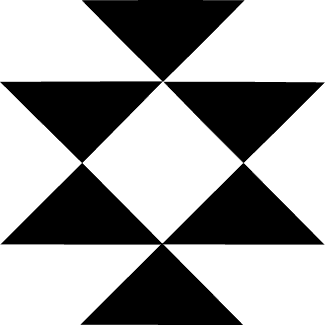
Kanatitsa is an ancient Bulgarian symbol made up of interconnected triangular shapes. Traditionally associated with family, it is believed to bring love, harmony, peace, and good fortune to the household.
The symbol frequently appeared in traditional Bulgarian embroidery, clothing, and household items, where it was used as a protective and good luck charm.
29. Algiz rune
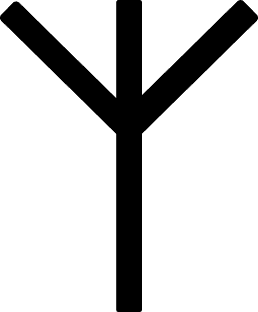
Runes are ancient symbols used by early Germanic peoples and were believed to carry spiritual and symbolic meaning. They were carved onto stones, weapons, jewelry, and talismans, with each rune representing a particular force, quality, or aspect of life.
Among the many runes associated with good fortune, the Algiz rune is one of the most widely recognized. Its shape is commonly linked to the antlers of an elk, an animal known for its strength, awareness, and ability to defend itself. Because of this association, Algiz came to symbolize protection, higher guidance, and positive spiritual energy. It was often used as a protective symbol to ward off negativity and attract good luck.
Other runes connected with good fortune include Fehu, which symbolizes wealth and abundance; Wunjo, which represents joy, success, and happiness; and Jera, which is associated with prosperity, favorable outcomes, and rewards earned through patience and effort.
30. Trinity Knot
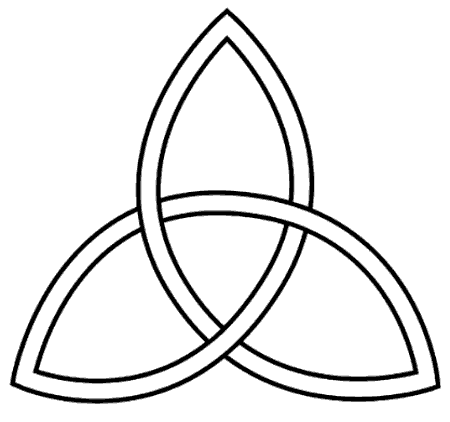
The Trinity Knot, also known as the Triquetra, is a Celtic symbol representing sacred trinities, most commonly mind, body, and spirit. It is also associated with the Christian Trinity of Father, Son, and Holy Spirit. The three interconnected loops symbolize unity, balance, and the harmonious relationship between these forces.
Because it represents harmony and completeness, the Triquetra has long been regarded as a symbol of good luck, protection, guidance, and prosperity. Many people wear or display it to attract positive energy and maintain balance in their lives.
31. Looped Square
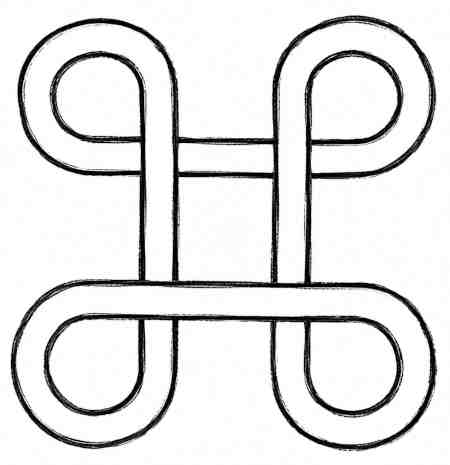
The Looped Square is an ancient symbol found in many cultures around the world. It appears as the Swedish Sankthanskors, the Danish Johanneskors, the Celtic Bowen’s Knot, the Finnish Hannunvaakuna, and the Adinkra symbol Mpatapo.
Across these traditions, the symbol was commonly drawn on homes, barns, tools, and everyday objects as a protective charm.
Because the design is formed from a single continuous line with no beginning or end, it also symbolizes unity, interconnectedness, enduring relationships, love, and friendship.
32. Sign of Laimas

This Latvian symbol, known as Laima’s Cross, is associated with Laima, the goddess of fate, fortune, and destiny. In Latvian mythology, Laima was believed to guide the course of a person’s life, influencing important events such as birth, marriage, success, and prosperity. She was often called upon for blessings, protection, and favorable outcomes.
Traditionally, the symbol was used in jewelry, clothing, and household decorations as a good luck charm.
Laima’s Cross remains especially popular during Latvian midsummer celebrations, where it is worn and displayed as a symbol of good fortune, harmony, and prosperity.
33. Laughing Buddha
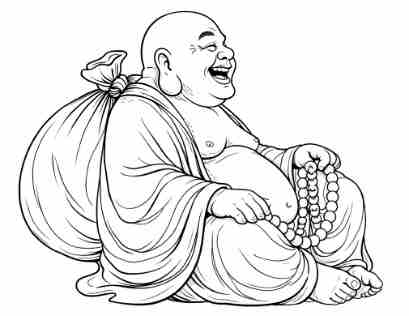
The Laughing Buddha is a popular Chinese folkloric figure based on a cheerful monk named Qieci, who was known for his kindness, generosity, and joyful spirit.
He is usually depicted with a large smile, a round belly, and a cloth sack filled with gifts and treasures. Some traditions regard him as an incarnation of Maitreya, the future Buddha.
Because of his association with happiness, abundance, and contentment, the Laughing Buddha is widely used as a symbol of good fortune in Feng Shui.
Placing a Laughing Buddha statue near the main entrance, in a living room, or in an office is believed to attract positive energy, joy, prosperity, and success.
34. Lucky Bamboo
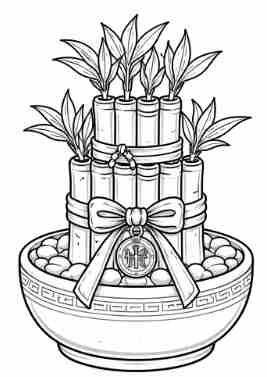
Lucky Bamboo is a popular plant in Feng Shui, believed to bring luck, prosperity, and harmony. Placing it in the east or southeast area of a home or workspace is thought to enhance positive energy, growth, and abundance.
The number of stalks also carries symbolic meaning. Two stalks represent love and relationships, three symbolize happiness, wealth, and longevity, while five are associated with health, balance, and overall well-being.
35. Chinese Coins
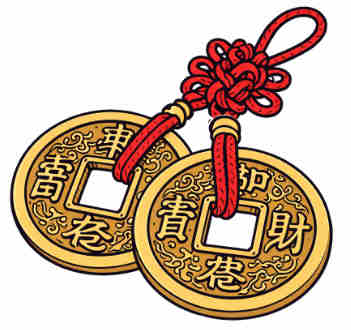
Chinese Coins are traditional round coins with a square hole in the center, symbolizing the union of heaven and earth. In Feng Shui, they are regarded as powerful symbols of wealth, prosperity, protection, and good fortune.
Often tied together with a red string, Chinese Coins are placed near entrances, carried in wallets, kept in cash boxes, or displayed in workspaces to attract financial success, abundance, and positive energy.
36. Troll Cross
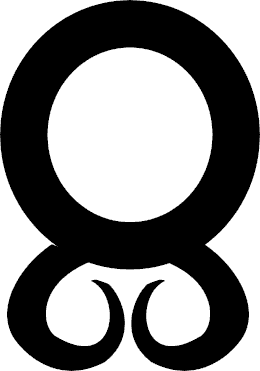
The Troll Cross is a protective charm from Swedish folklore. It was traditionally made from a bent piece of iron shaped into an oval with a distinctive twist. Iron was long believed to possess protective qualities and was commonly used to ward off harmful supernatural forces.
People wore the Troll Cross as jewelry or hung it in their homes, barns, and doorways to protect against trolls, evil spirits, and bad luck. According to folklore, its twisted shape was believed to confuse or repel malevolent beings, preventing them from causing harm and bringing protection and good fortune to the wearer.
37. Paper fan
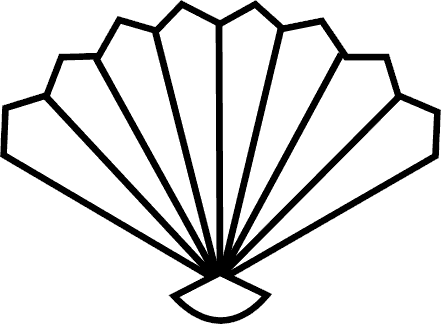
In Chinese culture, the paper fan is considered a symbol of good fortune, prosperity, and protection. As it unfolds from a small shape into a broad circle, it is thought to represent expanding opportunities, growing wealth, and the opening of a bright future.
Because a fan can spread and direct air, it is also associated in Feng Shui with circulating positive energy and dispersing stagnant or negative influences. For this reason, gifting a fan is traditionally seen as a wish for happiness, success, prosperity, and good luck.
In China, decorative fans are adorned with auspicious symbols, or lucky phrases, each believed to attract blessings and success.
38. Hamsa hand
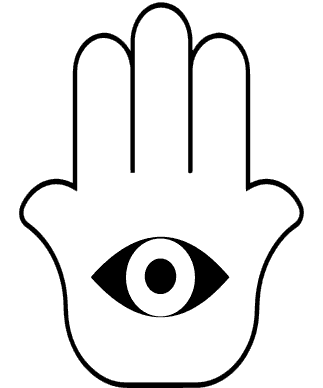
The Hamsa Hand is a palm-shaped amulet widely used throughout the Middle East and North Africa as a symbol of protection, good fortune, and blessings.
The symbol features an eye at its center, representing watchfulness, protection, and spiritual defense. People commonly wear the Hamsa as jewelry or display it in their homes to attract luck, happiness, health, and prosperity while warding off negativity.
39. Koru

The Koru is a spiral symbol inspired by the unfurling frond of a young silver fern. Originating in the Māori culture of New Zealand, it symbolizes new beginnings, growth, renewal, strength, and harmony.
Because it reflects the continuous cycle of life and personal development, the Koru is regarded as a symbol of good fortune, positive change, and a prosperous future.
40. Bagua mirror
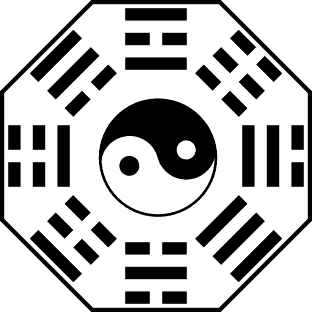
The Bagua Mirror is a powerful Feng Shui symbol used for protection and the redirection of negative energy. It typically consists of an octagonal frame featuring the eight trigrams of the Bagua surrounding a central mirror.
Traditionally, the Bagua Mirror is hung outside above a front door, gate, or window. It is believed to reflect and deflect harmful influences, protecting the home from negative energy while promoting harmony, good fortune, and well-being.
41. Huma bird
The Huma Bird is a mythical creature from Persian folklore, similar to the phoenix. Unlike ordinary birds, the Huma is said to live its entire life without ever touching the ground, making it a symbol of freedom, purity, and spiritual elevation.
According to legend, anyone touched by the Huma’s shadow would be blessed with good fortune, and success.
The Huma frequently appears in Persian art, literature, and poetry, where it represents paradise, spiritual ascension, and the fulfillment of one’s destiny.
42. Peacock feathers
In many Eastern traditions, peacock feathers are considered symbols of good luck, beauty, and protection. The eye-like patterns on the feathers are believed to ward off negative influences and protect against the evil eye.
In Hinduism, peacock feathers are closely associated with Lord Krishna, who is often depicted wearing one in his crown. Because of this connection, they are regarded as auspicious symbols of divine grace, prosperity, and positive energy.
Peacock feathers are commonly displayed in homes or kept as personal talismans to attract good fortune, abundance, and spiritual protection.
43. Mistletoe
Mistletoe is a small evergreen plant that grows on the branches of trees and is known for its white berries. For centuries, it has been associated with good luck, love, fertility, and protection. During winter celebrations, sprigs of mistletoe are commonly hung in homes to invite blessings and positive energy.
44. Ibis
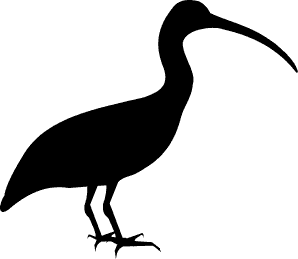
In ancient Egypt, the ibis was sacred to Thoth, the god of wisdom, writing, and hidden knowledge. Thoth was often depicted with the head of an ibis.
It is believed that seeing an ibis brings luck in education, writing, creative pursuits, and intellectual endeavors.
45. Nandavarta
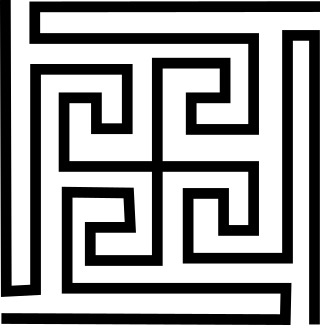
The Nandavarta is an ancient symbol in Jainism and Hinduism associated with prosperity, happiness, and good fortune. Its maze-like design is believed to ward off negative influences while attracting positive energy and blessings.
Traditionally, the Nandavarta is used in religious ceremonies, sacred art, and festival decorations, including rangoli designs, to invite prosperity and auspiciousness into the home.
The Nandavarta closely resembles the Hindu Swastika, another ancient symbol of good luck, well-being, and prosperity. Both symbols are considered highly auspicious and are used to attract positive energy and blessings.
46. Nandipada (Hindu Symbol)
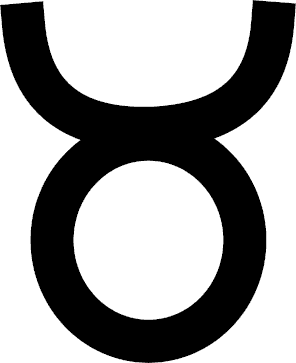
In Hinduism, the Nandipada is a sacred symbol representing the footprint (pada) of Nandi, the divine bull and loyal mount of Lord Shiva. Nandi is seen as a symbol of strength, devotion, faithfulness, and spiritual discipline.
Because of its association with Nandi and Lord Shiva, the Nandipada is regarded as an auspicious symbol believed to bring good fortune, protection, and divine blessings.
47. Quatrefoil

The Quatrefoil is an ancient symbol formed by four overlapping circles. Found in cultures around the world, it has long been regarded as a symbol of good luck, harmony, protection, and balance.
The four lobes are often associated with the four elements of nature – earth, water, fire, and air, representing the harmony of the natural world.
The Quatrefoil was widely used in the architecture of churches, cathedrals, temples, and sacred buildings, where it frequently appeared in windows, stone carvings, and decorative artwork.
The symbol also shares similarities with other ancient protective designs, including Solomon’s Knot, the Witch’s Knot, and the Celtic Five Fold Symbol.
48. Yuanbao
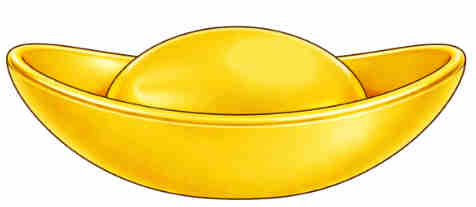
Yuanbao are gold or silver ingots that were once used as currency in ancient China. Today, they are popular symbols of wealth, prosperity, and financial success. Often given as gifts during Chinese New Year, these distinctive boat-shaped ingots are believed to attract abundance and good fortune.
Decorative Yuanbao are commonly displayed in homes and businesses, and they are also worn as charms on bracelets and necklaces to invite prosperity and financial luck.
49. Kamadhenu
In Hindu mythology, Kamadhenu is the divine wish-fulfilling cow, believed to grant all desires and bestow abundance upon those who seek her blessings. She is often depicted as a sacred white cow, sometimes with divine features such as a woman’s head and a peacock’s tail.
Because she is regarded as the mother of all cows and a source of abundance, her image is considered highly auspicious and is associated with good fortune, wealth, and the fulfillment of wishes.
50, Kalpavriksha
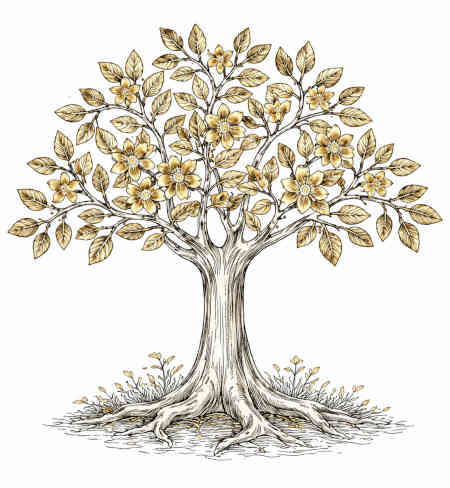
The Kalpavriksha is a divine wish-fulfilling tree in Hindu and Jain traditions. It is said to grant the wishes of those who seek its blessings. This sacred tree symbolizes abundance, prosperity, and the boundless generosity of nature.
The Kalpavriksha appears frequently in mythology, art, and religious literature as a source of blessings and fulfillment.
51. Japanese crane
The crane is an important symbol in Japanese culture, representing good fortune, longevity, and happiness. These elegant birds are frequently featured in traditional art, folklore, and origami.
In Japan, there is a tradition of folding 1,000 paper cranes to bring good luck or help a wish come true. The crane’s graceful appearance and lifelong pair bonds have also made it a symbol of fidelity, honor, and enduring love.
52. Fuzanglong Dragon
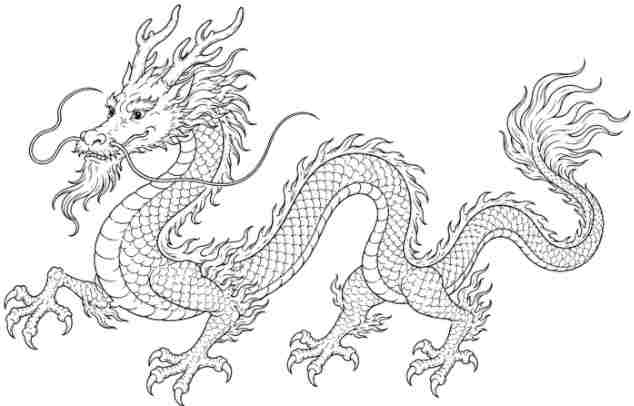
In Chinese mythology, Fuzanglong is the dragon of hidden treasures and underground wealth. He is believed to guard precious gems, metals, and other riches concealed within the earth, making him a powerful symbol of prosperity and abundance.
Images and figurines of this dragon are displayed in homes and businesses to attract prosperity, success, and financial blessings.
53. Amaltas flower
Known as the Golden Shower Tree, Amaltas is considered an auspicious symbol in Indian traditions. Its vibrant yellow blossoms are associated with prosperity, positivity, and good fortune. Many people believe that displaying these flowers in the home helps attract success and positive energy.
54. Daruma Doll
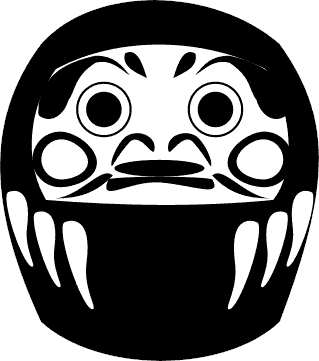
Daruma dolls are traditional Japanese good luck charms inspired by Bodhidharma, the founder of Zen Buddhism. These round, red dolls are designed with blank eyes. When making a wish or setting a goal, one eye is painted in. The second eye is filled in only after the wish has been fulfilled or the goal has been achieved.
Because Daruma dolls always return to an upright position when tipped over, they have also become symbols of perseverance, determination, and resilience. They serve as a reminder to keep moving forward and never give up in the face of challenges.
55. Omamori
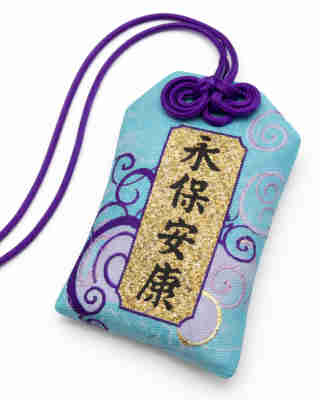
Omamori are Japanese amulets sold at Shinto shrines and Buddhist temples. These small decorated pouches contain prayers or blessings for specific purposes such as health, love, good luck, success, or safe travel. They are meant to be carried but not opened, as opening them is believed to release the blessing inside. Many people return their old Omamori to the shrine at the end of the year and receive new ones.
Many cultures have their own versions of good luck charms and protective amulets similar to the Japanese Omamori. Some examples include:
- Gris-gris (West African and Voodoo Traditions) – Small cloth pouches containing herbs, oils, and other items used for protection, luck, love, or other purposes.
- Phra Kruang (Thailand) – Sacred amulets blessed by Buddhist monks and carried for protection, good luck, and spiritual support.
- Nazar Amulets (Middle East and Mediterranean) – Blue eye-shaped charms believed to protect against the evil eye. They are commonly displayed in homes, vehicles, and jewelry.
- Anting-anting (Philippines) – Protective amulets or talismans, often inscribed with prayers, symbols, or sacred words.
- Red String Bracelet (Kabbalah and Jewish Tradition) – Worn around the wrist for protection and to ward off misfortune.
- Milagros (Latin America) – Small metal charms carried as personal talismans or attached to religious statues to seek specific blessings.
These traditions show that the idea of carrying a small object for protection, blessings, and good fortune is found in cultures around the world.
Conclusion
If a symbol from this list resonates with you, consider incorporating it into your life as a personal good luck charm. You might wear it as jewelry, display it in your home, carry it with you, or use it as a focus during meditation.
May these timeless symbols serve as reminders of positivity, abundance, protection, and the possibilities that lie ahead. Wishing you good fortune, success, and happiness on your journey.